
How Dirty Filters Affect Your Heating Performance More Than You Think
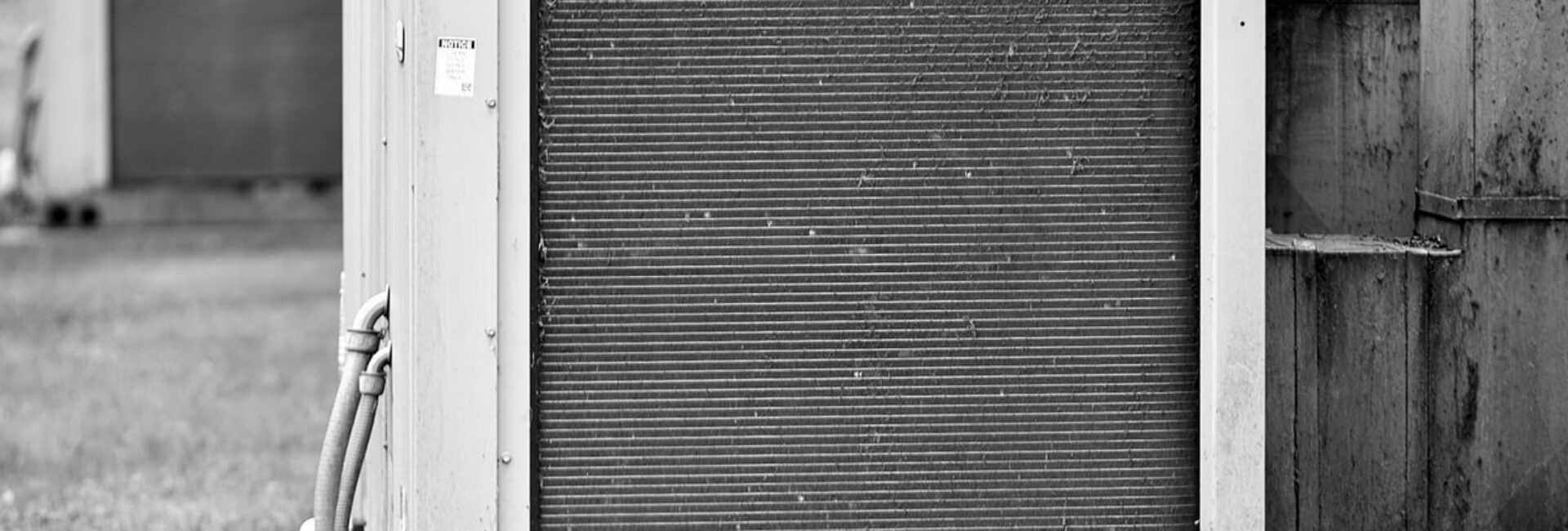
You check the thermostat. You bump it up a few degrees. The furnace runs and runs, and the house still feels cool. Before you start searching for a ‘heating company near me’, look at something that costs about ten dollars: your air filter.
A dirty filter is the most common reason a furnace struggles, and it’s also the easiest to fix. This guide explains what a clogged filter does to your heating system, how to tell when yours has gone too long, and when it’s time to bring in a professional.
Your furnace needs a steady flow of air. It pulls cool air from your home through the return vents, passes it over the heat exchanger, and pushes warm air back out through the ducts.
The filter sits in the middle of that path. When it’s clean, air moves freely. When it’s packed with dust, pet hair, and lint, air struggles to get through.
Less air means less heat reaches your rooms. Your furnace runs longer to make up for it, and your gas or electric bill goes up without any change in the weather.
Here’s the part most homeowners don’t hear. Airflow doesn’t just carry warm air to your rooms. It also carries heat away from the heat exchanger so the metal doesn’t get too hot.
When a clogged filter starves the furnace of air, the heat exchanger runs hotter than it should. Most furnaces have a limit switch that shuts the burners off when that happens. You’ll notice the system starting up, warming for a short stretch, and shutting down again.
That cycling is hard on every part of the furnace. Over years, repeated overheating can stress the heat exchanger and shorten the life of your equipment. A new filter is far cheaper than that kind of repair.
You don’t need tools to catch this early. Watch for:
Any one of these can have another cause. Several together almost always point back to the filter.
For most homes in Brownstown and Lancaster County, a standard 1-inch filter should be changed every 30 to 90 days during the heating season. Where you land in that range depends on your household.
Change it closer to 30 days if you have pets, family members with allergies, or a lot of foot traffic. Farm fields and construction nearby, common across this part of Pennsylvania, send extra dust through the air too.
Thicker 4-inch media filters last longer, often six months to a year. Check the manufacturer’s guidance on the filter itself.
An easy test: slide the filter out and hold it up to a light. If you can’t see light through it, replace it.
Higher isn’t always better. Filters carry a MERV rating that measures how well they trap particles. The EPA explains that higher MERV ratings capture smaller particles but can restrict airflow if your system wasn’t built for them.
For most residential furnaces, a MERV 8 to 11 filter balances clean air and good airflow. Stepping up to a very dense filter without checking your system can cause the same airflow problems a dirty filter does.
If you’re not sure what your furnace can handle, ask a technician. It’s a quick question during any service visit.
Turn the furnace off first. Find the filter slot, usually near the blower or at a return vent. Note the size printed on the frame, then slide the old filter out.
Check the arrow on the new filter. It should point toward the furnace, in the direction of airflow. Slide it in snugly and make sure there are no gaps around the edges. Write the date on the frame so you know when it’s due.
Sometimes you replace the filter and the trouble continues. That’s your cue to call for help. Regular furnace maintenance helps keep systems running safely and efficiently, and a technician can catch problems a filter swap can’t solve.
Call a heating company if you notice:
We inspect airflow, the heat exchanger, and safety controls during every fall tune-up. Visit our Repair & Service page to see what’s covered.
If you’re looking for a heating company near Brownstown, Ressler & Mateer has served homeowners across Lancaster, York, and Harrisburg since 1970. We’ll tell you what we find and what it takes to fix it.
Call us at (717) 859-2025 or visit our contact page. Your family’s comfort is our family’s business, and we’d rather help you catch a small problem than answer a cold-night emergency.
Start with the filter. If it’s gray, packed with dust, or you can’t see light through it, replace it and run the furnace again. If the system still short cycles, blows weak air, or won’t reach the set temperature after a fresh filter, call a technician.
Yes. A badly clogged filter can cut airflow enough to overheat the furnace, which triggers the limit switch and shuts the burners off. The system may restart and shut down repeatedly until the filter is replaced.
Every 30 to 90 days for a standard 1-inch filter during the heating season. Homes with pets, allergies, or dusty conditions nearby should lean toward 30 days. Thicker media filters can last six months to a year.
It can. Restricted airflow makes the furnace run longer to warm your home, which uses more fuel or electricity. Many homeowners notice the difference on their next bill after changing a very dirty filter.
Most residential systems do well with MERV 8 to 11. Very high ratings can restrict airflow unless your system is designed for them. Ask a technician before upgrading to a denser filter.
Toward the furnace, in the direction air flows. Installing a filter backward reduces its effectiveness and can let debris pass through.
Ressler & Mateer has served Brownstown and surrounding Lancaster County communities since 1970. Call (717) 859-2025 or visit our contact page to schedule heating service.
Russell Ressler III “Rusty” | President & HVAC Estimator, Ressler & Mateer
Brownstown, PA | HVAC and Plumbing Services
Russell Ressler III, known as Rusty, is the President and HVAC Estimator at Ressler & Mateer, where he plays a key role in leading the company’s operations and project planning. With a strong background in estimating and system design, Rusty focuses on delivering accurate assessments and reliable solutions that meet each client’s needs. His approach is centered on precision, efficiency, and maintaining the high standards the company has built over the years.
Rusty takes a hands-on role in both leadership and day-to-day operations, ensuring each project is handled with care and attention to detail. He is committed to clear communication, dependable service, and building long-term relationships based on trust. Through his work at Ressler & Mateer, Rusty continues to support the delivery of consistent, high-quality service to the Brownstown community and surrounding areas.
Share this post:
Trusted Affiliate Partnerships:


